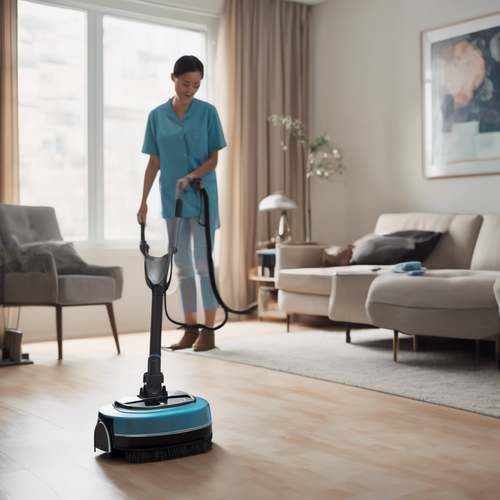
How Robotics Is Transforming Cleaning Efficiency
Once, cleaning was a rite of passage; a sign that one had at least slightly grabbed hold of adulthood, wielding a mop like a gladiator brandishing a sword. Fast forward to today, and the situation has changed more drastically than a post-apocalyptic movie scene. We are on the cusp of a cleaning renaissance, where robotic assistants are racing through our homes and offices, dusting away the remnants of yesterday’s messes. If only it could also fold laundry, right? 🧺
Robots: The New Cleaners on the Block
The concept of robotics in cleaning isn’t new, but its acceptance has skyrocketed. The first vacuuming robot, Roomba, rolled into our lives like an awkward but lovable pet. Since then, the market has exploded. According to a report by Statista, the global market size for cleaning robots is expected to surpass $10 billion by 2025. What was once a novelty is now seen as a necessity, marking the shift from manual to automated cleaning.
“In the world of cleaning, robots are like the rise of the internet in communication—once revolutionary, now essential,” says Dr. Lisa Nguyen, a technology analyst.
Efficiency Like Never Before
Robotics in cleaning isn’t just about trade-offs. It’s about harnessing algorithms and artificial intelligence (AI) to enhance speed and thoroughness. For instance, consider a traditional cleaning method—a human armed with a mop and bucket versus a robotic cleaner equipped with sensors and advanced navigation systems. The irony, of course, is palpable. While our ancestors may have scrubbed floors to an inch of their lives, today’s robots do it with a battery and a plan, as if they’re using a battle strategy fit for a general. 🪣
When comparing cleaning by hand to that done by robots, we see a striking antithesis: the human worker, with imperfections and distractions versus a machine programmed for efficiency. While one may take breaks for coffee—in the case of humans, often too many—the robot plows ahead tirelessly, covering every inch with a diligent, unwavering persistence.
Enhanced Productivity in Commercial Spaces
In commercial cleaning, robotics has proven to be a game-changer. Large facilities, such as airports and shopping malls, are now employing autonomous cleaning machines. These robots are programmed to vacuum or scrub floors, while employees manage other essential tasks. Imagine them gliding through the aisles like superheroes in a hurry—saving time and increasing productivity as they buzz about on routine cleaning missions. 🌟
Studies show that robotic cleaning can reduce labor costs by up to 30%. Nor is it only about saving money; there’s something eerily poetic about a machine performing a task humans once spent hours on, reflecting a social shift towards automation. As our expectations of cleanliness rise, so too does the demand for efficient cleaning solutions.
The Personal Touch of Technology
However, the charm of human touch cannot be entirely replaced. As the saying goes, “a robot may clean floors, but can it make a bed with real love?” While robots excel at efficiency, the subtleties of personalized care remain an invaluable asset that machines cannot replicate—at least, not yet. Wouldn’t it be fascinating if a vacuum could toss in a compliment or two while it whirrs around the living room? ❤️
Even so, it’s this ironic contrast between functionality and intimacy that highlights the trajectory of the cleaning industry. While robots may not be our emotional caretakers, they free us to engage more meaningfully in our spaces. With time, they’ll not only tackle chores but also help us reimagine how we live and interact with our environments.
Challenges Ahead: Adapting to Robotics
The road ahead isn’t devoid of obstacles. Integrating robotics into the cleaning process invites concerns about job displacement and the skills gap. There’s a distinct irony in replacing earnest human effort with cold, metal efficiency. However, history has shown that while some jobs fade, new opportunities emerge, demanding a different skill set.
As we relinquish some aspects of our daily chores, we must also adapt our workforce. What was once a race to keep a clean home could evolve into a management of ecosystems, where we’ll oversee robotic tools that share the labor and decision-making. What a curious twist of fate that would be! Would this not be like entrusting our art to paintbrushes that come with their algorithmic flair? 🎨
The Future Is Now
As robotic technology advances, we might envision a future where the chore of cleaning becomes as effortless as tapping a screen. “Alexa, clean the floors,” we might chime, rendering manual labor a relic of the past. The rigid delineation between man and machine blurs, as our pillows may even fluff themselves. The reality, however, is that the evolution of cleaning technology carries with it a philosophical questioning: can we truly trade our sweat for silicon without mourning the loss of the human experience?
Here lies a compelling truth: robotics are not merely improving cleaning efficiency; they are reshaping our relationship with our spaces and with ourselves. The mundane transformed into the extraordinary, one methodical sweep at a time, encapsulates the magic that lies in the mundane and the profound. So the next time a robotic cleaner zooms past you, perhaps take a moment to admire not just its efficiency, but the deeper narrative it represents. 🤖