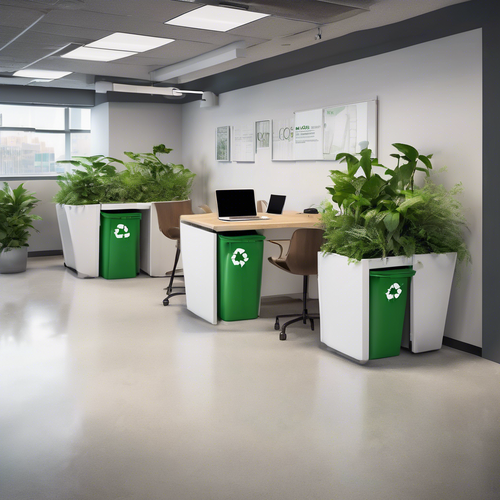
From Trash to Treasure: Mastering Office Recycling and Waste Management
In the corporate jungle, where coffee cups seemingly breed like rabbits and paper seems to multiply faster than office gossip, the quest for effective recycling and waste management can feel like battling a hydra—cut off one head, and two more sprout in its place. Yet, unraveling this chaotic tapestry of trash doesn’t have to be an exercise in futility. With a little ingenuity and a commitment to sustainability, offices can transform their waste management practices from a source of shame into a badge of honor. 🌍
Identify the Waste: A Bounty of Potential
Before we can save the world—one coffee cup at a time—we must first understand the landscape. The average office generates a staggering amount of waste, much of which is recyclable or compostable. Here’s a rundown of common office waste:
- Paper and Cardboard: From misprinted presentations to shipping boxes, paper accounts for a hefty chunk of office waste.📑
- Plastics: Water bottles, snack wrappers, and, let’s not forget, the infamous plastic utensils that never quite seem to make it to the recycling bin.
- Electronics: Old monitors, keyboards, and phone chargers tend to accumulate rapidly, becoming electronic graveyards. 🔌
- Organic Waste: Leftover lunch salads and uneaten apples should not be heading to the landfill, but rather into composting bins.
By categorizing waste, offices can better strategize methods for recycling and disposal. After all, knowledge is half the battle—a bit like knowing how to dodge an incoming paper airplane in the break room.
Set Up Your Recycling Infrastructure: The Path of Least Resistance
Envision entering your office kitchen to find a recycling bin whose lonesome existence is reminiscent of a forgotten love story—how quickly would you choose to toss that empty water bottle into the nearby trash? By making recycling as convenient as possible, we can dramatically improve participation in green initiatives. Think of it as setting up a cheat code for reducing waste.
Best Practices for Bin Placement:
- Proximity is Key: Ensure recycling bins are as accessible as trash cans. Place them side by side to eliminate the excuses of inconvenience. ♻️
- Clear Labeling: Use bright, bold labels that indicate exactly what can and cannot go into each bin, preventing the romantic entanglement of trash with recyclables.
- Size Matters: Oversized bins can be misleading, inviting trash to fill them to the brim while recyclables languish in their sad, small containers.
Educate and Engage: Making It a Team Effort
Imagine a world where recycling isn’t a chore, but a collective mission. By cultivating a culture of eco-awareness, offices can inspire everyone to participate actively. Regular training sessions can empower employees, transforming them into champions of recycling.
“Recycling is not just about disposing of waste; it’s about reshaping our mindset. When we see our waste as a resource, we begin to rethink our practices,” pundits from the Earth Alliance assert.
Digital Detox: Eliminating Paper Waste
In our hyper-connected digital age, it seems ironic that paper waste still runs rampant in offices. By transitioning to digital tools for document management, meetings, and correspondence, organizations can send their paper waste packing. Think of it as giving your printer a long overdue vacation. ☁️
Compost, Don’t Just Toss: Harnessing Organic Waste
Far too often, organic waste is tossed into landfills, where it decomposes anaerobically, releasing methane—a greenhouse gas even more potent than carbon dioxide. Incorporating composting into the office recycling strategy can turn lunch leftovers into nutrient-rich soil, creating a cyclical relationship between waste and renewal. Isn’t it time we embrace our inner earthworms? 🐛
Monitor and Measure: Tracking Progress
What can’t be measured can’t be improved—a truth as true as that unwritten rule: always have extra snacks for meetings. Regularly assess the effectiveness of the recycling program through audits and monitoring waste diversion rates. This will not only keep people accountable, but it also helps in celebrating victories—like when the office decreases its waste by 25% over a quarter!
Celebrate Successes: Inspiring Continued Efforts
Every small step taken towards reducing waste deserves recognition. Whether it’s a monthly office lunch that celebrates sustainability achievements or a friendly shoutout in a team meeting, acknowledging the efforts of colleagues can motivate ongoing commitment. After all, who doesn’t love a good pat on the back—especially when it comes with pizza? 🍕
Incorporating effective recycling and waste management strategies in the office not only contributes to a healthier planet but also cultivates a sense of shared responsibility among team members. By tackling waste and recycling with creativity and enthusiasm, offices can not only clear the clutter but also pave the way for a brighter, more sustainable future—where nothing is wasted, and everything is valued.