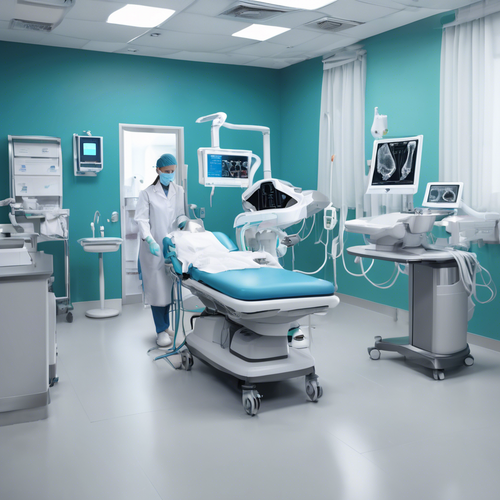
Safeguarding Health: Essential Cleaning Measures for Healthcare Facilities
In the labyrinthine world of healthcare, where lives hinge on cleanliness, safety measures for cleaning healthcare facilities emerge as both a mandate and a moral duty. Imagine the stark contrast between a bustling hospital ward, with its bright lights and urgent whispers, and the sterile corridor of a surgical theater, where one wrong move could unleash chaos like confetti at a festival gone awry. The stakes are high, and so are the standards. But in this fast-paced environment, are we really doing enough to ensure that every nook and cranny is sanitized to perfection? 🤔
The Foundation of Safety: Compliance and Protocol
The lifeblood of cleaning in healthcare lies in compliance with established protocols. Adhering to the guidelines set forth by organizations such as the Centers for Disease Control and Prevention (CDC) or the World Health Organization (WHO) is not merely a bureaucratic exercise; it is the very essence of maintaining a germ-free haven.
From hand hygiene to surface sanitization, the protocols are as intricate as a symphony, requiring each player—cleaning staff, healthcare workers, and administrative personnel—to perform their roles flawlessly. Consider the irony: in a place dedicated to healing, the unwashed hands of a careless worker can flip the script from recovery to resurgence of disease, turning a patient’s room into a breeding ground for infectious agents. 🦠
Key Cleaning Strategies: The Devil is in the Details
The essence of effective cleaning in healthcare facilities lies in the details. Striking a balance between meticulous attention and efficient execution often resembles a high-wire act, where a single misstep can lead to disastrous consequences. Here are several critical cleaning strategies:
- High-Touch Surfaces: These are the hot zones of germs—the doorknobs, light switches, bedrails, and telephones. Cleaning them with appropriate disinfectants at regular intervals is akin to combating dragon fire with a water hose. You must be thorough and relentless.
- Two-Step Cleaning Process: First, remove dirt and debris, followed by disinfection. This two-pronged approach resembles a dance—a powerful sweep and a delicate final pose, leaving surfaces sparkling and safe.
- Personal Protective Equipment (PPE): Equip cleaning staff with PPE as basic as a superhero’s cape. Gloves, masks, and gowns are not just for show; they’re essential armor against the invisible foes lurking on every surface.
- Training and Education: Continual training for cleaning staff is crucial. It’s reminiscent of an artist perfecting their craft—each cleaning session is a performance where the audience (patients, visitors, and healthcare workers) hopes for a flawless execution.
A Culture of Cleanliness: Building Compliance through Habit
Yet, the reality is that compliance is not always automatic. It must be cultivated like a rare flower in a garden. To foster this culture:
- Regular Audits: Conduct inspections akin to pop quizzes. Are the cleaning protocols being followed? Is *that* corner really sanitized? Audits ensure accountability and vigilance.
- Incentivizing Excellence: Rewarding cleanliness efforts can be as motivating as a trophy on a mantle. Recognizing the hard work of cleaning staff not only boosts morale but emphasizes the importance of their role in patient safety.
- Feedback Mechanisms: Create channels for staff to voice concerns or suggestions regarding cleaning practices. Think of it as an open dialogue in a well-tuned ensemble, ensuring that every note is harmonious. 🎶
The Role of Technology: Innovation Meets Tradition
As we wade through the 21st century, technology has carved a niche in healthcare cleaning. The juxtaposition of old methods with innovative solutions paints a vivid picture of how to enhance effectiveness:
- Robotic Cleaners: These mechanical marvels roam the halls, tirelessly scrubbing floors and dispensing disinfectant, similar to sentinels on a mission. They alleviate human resource strain while ensuring consistent cleaning coverage.
- Ultraviolet-C (UVC) Light: Imagine harnessing the sun’s purifying rays indoors. UVC technology offers a groundbreaking solution to eradicate pathogens, with studies indicating it can eliminate up to 99.9% of viruses. It’s like wielding lightning in a bottle! ⚡
Engaging Patients and Families: The Community’s Role
Conversely, cleaning does not rest solely on the shoulders of professionals. Engaging patients and families reinforces a shared responsibility. Informing them about cleanliness protocols can make them proactive participants in safeguarding their health. Like a well-rehearsed play where each actor knows their lines, the collaboration can foster a safer environment.
“In the end, it’s not just about cleaning; it’s about creating a sanctuary where healing begins. When every staff member puts their heart into the task, the atmosphere transcends sterile; it becomes nurturing,” notes Dr. Elaine Carter, a hospital administrator.
As we sweep the dust of the past and scrub our way toward a cleaner future, let’s not forget that every cleaning procedure serves a higher purpose: the safety and wellbeing of patients. In this delicate balance of sanitation and care, we can create spaces that not only heal but inspire confidence. A proactive approach to cleanliness in healthcare is, without a doubt, the unsung hero of patient safety—a quiet yet potent presence in the cacophony of healing. 🏥✨